
Why Uber Claims Get Rejected in South Africa
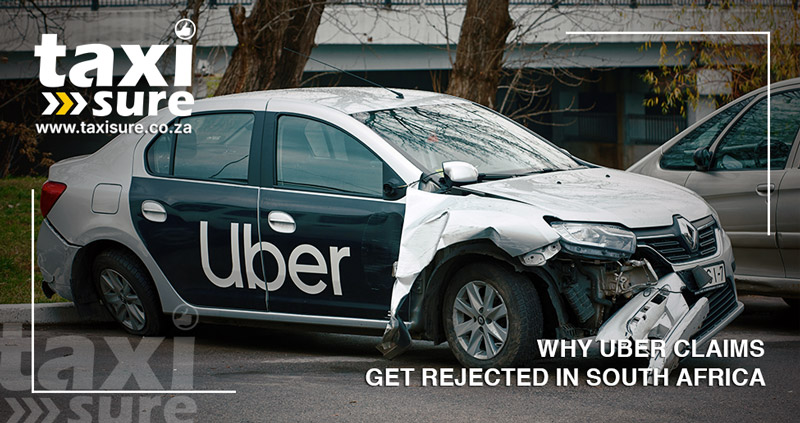
You’re on the road. You’re insured. You’re doing everything right.
Then something happens. An accident. A theft. Damage to the car. You put in a claim and it comes back rejected.
It happens more than most drivers expect, and it doesn’t only happen to people who skipped on cover. Here’s what catches drivers out and what to check before you ever need to make a claim.
The Biggest Reason: Personal Insurance
Let’s start with the one most drivers know about, but some still try anyway.
If you’re driving Uber or Bolt on a standard personal car insurance policy, your insurer is very unlikely to pay out when something goes wrong on a trip.
The reason is simple. The moment you accept a paying passenger, you’re doing commercial work. Personal insurance is for private, domestic use only. “Driving for hire” is listed as an exclusion in almost every personal policy in South Africa.
Insurers aren’t guessing either. They cross-reference app logs, camera footage, and passenger testimony. If you were on a trip when the incident happened, they’ll know.
Getting caught out this way doesn’t just mean a rejected claim. It can get your policy cancelled and flag you on the central insurance database, which makes getting cover in future much harder.
If you’re reading this on TaxiSure cover, you’ve addressed the most common reason for rejection. But the points below can still affect a claim.
”But Uber and Bolt Have Insurance”
A lot of drivers assume the app has them covered. It doesn’t, not the way they think.
Per each platform’s own published cover terms:
- Uber provides Partner Injury Protection, which is limited medical cover for the driver. That’s it. Your car is not covered.
- Bolt provides Passenger Liability Insurance at a similar limited level. Again, not your vehicle.
- inDriver provides no built-in insurance. Without your own commercial cover, you would carry the full risk yourself.
There’s another gap drivers often miss. Platform cover only kicks in when you’re actively on a trip, from the moment you accept the ride to when you drop the passenger off. The time you spend driving to the pickup, or sitting idle waiting for your next trip, that window is on you.
That’s why a dedicated commercial eHailing policy matters. And why it needs to be the right kind.
What Can Still Trip You Up, Even With the Right Cover
This is the part even properly insured drivers need to pay attention to.
Your PDP Has Expired
Your Professional Driving Permit (PDP) is a mandatory requirement for eHailing work and for your insurance cover to remain valid. If your PDP has lapsed and you’re involved in an incident, your claim will be rejected.
Check your expiry date. A PDP is best renewed before the expiry date rather than after.
You’re Driving on Someone Else’s Profile
Profile sharing is more common than people admit. One driver signs up, another uses their account to take trips.
In February 2026, a young Bolt driver named Isaac Satlat was murdered in Pretoria West. He had been operating under another driver’s verified profile. Bolt confirmed he was ineligible for any compensation. His family received nothing, not from the platform, and not from any insurer.
If you’re driving, it must be on your own verified account.
Your Operating Permit Isn’t in Order
If you’ve never applied and you’re in an accident, that’s grounds for a rejected claim.
The good news: if you’ve applied and are still waiting, you’re protected as long as you have proof of your application. Processing times vary from three months in some areas to up to 12 months in others. Keep your application documents somewhere safe. See our guide to the new permit rules for more info.
Drivers who have not yet applied are generally encouraged to do so as soon as possible.
Your Tracking Device Isn’t Working
Many eHailing policies require a functional tracking device fitted to the vehicle. If your tracker is faulty or offline at the time of an incident, your insurer may use that as grounds to reject the claim.
If you’re not sure whether your tracker is active, check with your broker. Don’t wait for a claim to find out it wasn’t.
You Added a New Platform and Didn’t Update Your Policy
Started on Uber, then added Bolt or inDriver? Your policy needs to know that.
Failing to disclose a change in how you use your vehicle counts as material misrepresentation under South African insurance law. It’s the same principle as personal insurance for commercial work. If you’re not upfront, your insurer is within their rights to void the policy.
If your situation has changed, it’s worth speaking to your broker so your cover can be updated.
Got a Burning Question About Your Cover?
If anything in this article raised questions about your own policy, don’t sit with it.
WhatsApp us directly and we’ll give you a straight answer.
Frequently Asked Questions
Can Uber or Bolt drivers use personal car insurance in South Africa?
No. Personal insurance policies exclude “driving for hire.” The moment you accept a paid trip, you’re doing commercial work. If something happens on that trip, a personal policy will not pay out. You need dedicated eHailing cover.
Does Uber or Bolt’s own insurance cover my car?
No. Uber offers limited medical cover for the driver (Partner Injury Protection). Bolt offers limited passenger liability cover. Neither covers your vehicle. inDriver provides no cover at all. For your car to be covered, you need your own eHailing insurance policy.
What happens if my PDP expires while I’m still driving?
Your cover becomes invalid. If you’re involved in an incident with a lapsed PDP, your insurer can reject the claim on those grounds. A PDP is best renewed before it expires rather than after.
What is an operating permit and do I need one to make a claim?
Since 11 March 2026, the National Land Transport Amendment Act requires all eHailing drivers to hold a valid operating permit. Driving without one, or without proof that you’ve applied, can result in a rejected insurance claim. Drivers who have not yet applied are generally encouraged to do so as soon as possible.
What if I drive on both Uber and Bolt? Do I need to tell my insurer?
Yes. Adding a new platform changes how you use your vehicle. Not disclosing this counts as material misrepresentation under SA insurance law, which gives your insurer grounds to void your policy. It’s worth updating your cover whenever your situation changes.
Can I drive using someone else’s Uber or Bolt profile?
No. This is profile sharing, and it voids both platform and insurance protection. In February 2026, Bolt driver Isaac Satlat was murdered in Pretoria West while operating under another driver’s profile. Bolt confirmed he was ineligible for any compensation. Always drive on your own verified account.
Sources
- The risks of using personal vehicle insurance for e-hailing in South Africa - IOL Personal Finance, March 2026
- Bolt driver murdered in Pretoria West not eligible for compensation after profile sharing - Times Live, February 2026
- New permit rules for eHailing drivers and owners - TaxiSure, 2026
- Platform cover terms: Uber Partner Injury Protection and Bolt Passenger Liability Insurance as published by each platform
- inDriver Insurance — does inDrive provide cover in South Africa? - Insurance Expert SA
Taxisure Risk Specialists (Pty) Ltd | Authorised Financial Services Provider | FSP 52693
You Transport the Nation. We Make Sure You Are Covered.TaxiSure · South Africa's Transport Risk Specialists
You Transport the Nation. We Make Sure You Are Covered.TaxiSure · South Africa's Transport Risk Specialists


