Scholar Transport Safety: What Every Parent Should Check
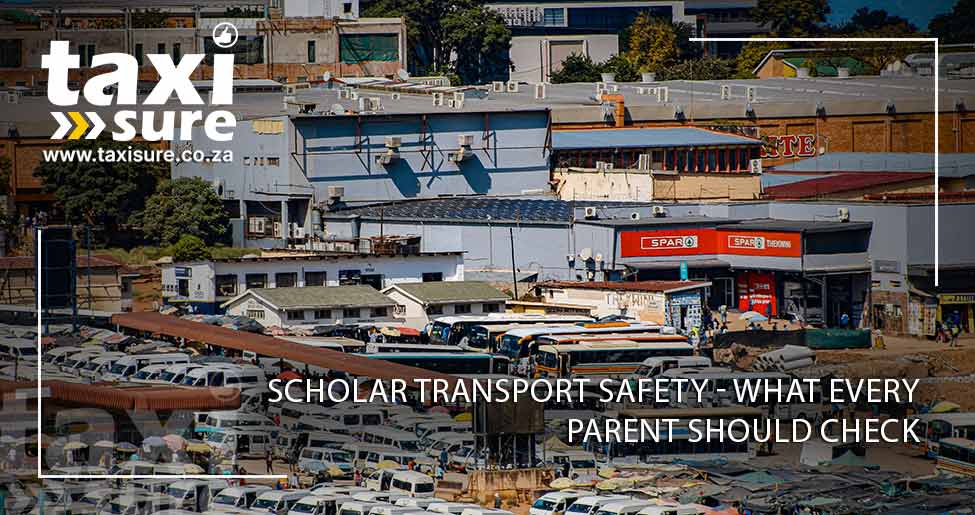
Scholar transport safety in South Africa is a topic that matters to a lot of families. Every school day, thousands of learners climb into minibuses and bakkies, trusting that the driver and vehicle are up to the job. Most of the time, things go fine. But when something goes wrong, it is often because basic requirements were not in place.
This guide covers what the law requires of operators, and what parents can practically check before trusting a driver with their child.
What the law requires from scholar transport operators
Scholar transport falls under the National Land Transport Act (NLTA) and the National Road Traffic Act. Together, these laws set out clear requirements for anyone operating a vehicle that carries passengers for reward, including learners.
A valid operating licence
Any vehicle used to carry passengers for reward in South Africa must have a valid operating licence issued by the relevant Operating Licence Board. This is separate from the vehicle’s registration. Without it, the operator is not legally permitted to run a scholar transport service.
A Professional Driving Permit (PrDP)
Drivers of minibus taxis and other public passenger vehicles are required to hold a valid PrDP in addition to their standard driver’s licence. The PrDP is issued by the licensing authority and includes a medical fitness assessment. It must be renewed periodically. A driver without a current PrDP is not legally authorised to carry your child.
A roadworthy vehicle
Vehicles used for public transport must display a valid roadworthiness certificate. This confirms the vehicle has passed a mechanical inspection. Bald tyres, faulty brakes, and broken lights are not just a driving hazard, they are grounds for the vehicle to be taken off the road.
No overloading
Overloading is illegal and dangerous. A vehicle has a licensed passenger capacity, and that number cannot legally be exceeded. When a minibus is stuffed with more learners than it is rated for, stopping distances increase, structural stress rises, and the risk of serious injury in a crash goes up significantly.
Seatbelts where fitted
South African law requires passengers to wear seatbelts where they are fitted. For operators, this means ensuring seatbelts in the vehicle are functional. For parents, it means asking whether belts are available and whether children are required to use them on every trip.
Driver vetting
There is no single national database that standardises background checks for scholar transport drivers, but responsible operators do their own vetting. This includes checking for a valid driver’s licence, PrDP, and a clean driving record. Some operators also conduct criminal background checks. Parents can ask what vetting process an operator follows.
A practical checklist for parents
Before allowing a driver to transport your child regularly, parents can ask the following:
- Operating licence - Ask to see the vehicle’s operating licence. It should be current and valid for passenger transport.
- PrDP - Ask the driver to show their Professional Driving Permit. Check the expiry date.
- Roadworthiness disc - Check the vehicle windscreen for a valid roadworthiness disc.
- Seatbelts - Check that seatbelts are fitted and working, and ask whether children are required to wear them.
- Passenger numbers - Ask how many learners are carried per trip. If it looks overcrowded, it probably is.
- Driver vetting - Ask whether the operator runs background or driving record checks on drivers.
- Contactability - Make sure you have a working number for both the driver and the operator in case of delays or emergencies.
- Passenger liability cover - Ask whether the operator carries passenger liability insurance. Not all do, but responsible operators often do. TaxiSure passenger liability cover (subject to policy terms) is an option designed for operators in this space.
Why scholar transport crashes happen
South Africa has seen a number of serious crashes involving scholar transport vehicles. The causes are familiar: overloading, driver fatigue, unroadworthy vehicles, and speeding. Safety programmes that include defensive driver training, eye testing, and vehicle inspections have been linked to safer driving behaviour among enrolled operators.
The common thread in crashes is usually not bad luck. It is a failure of the basic requirements that already exist in law.
For operators: cover that fits the work
Scholar transport operators carry a real responsibility, and the risks that come with it. A single incident involving learners can result in claims that exceed what a standard vehicle insurance policy covers.
TaxiSure school transport cover (subject to policy terms) is designed for operators running learner transport routes. Passenger liability cover is designed to respond to some of the financial exposure that comes with carrying passengers, subject to the policy’s terms, limits and exclusions.
Cover does not prevent accidents. But having the right policy in place means that, subject to the policy terms, the operator has cover to help respond when something does go wrong.
Talk to TaxiSure
If you are a scholar transport operator and you want to know what cover options are available for your fleet and passengers, TaxiSure can help.
WhatsApp 062 179 0033 or click below to start a conversation.
Frequently Asked Questions
Does a scholar transport driver need a special licence?
Yes. Drivers operating public passenger vehicles, including minibus taxis used for scholar transport, are required to hold a valid Professional Driving Permit (PrDP) in addition to a standard driver’s licence.
How can a parent check if a vehicle is roadworthy?
A valid roadworthiness disc is displayed on the vehicle’s windscreen. Parents can check whether this disc is present and whether it is still within its valid period before allowing their child to travel in the vehicle.
Is overloading illegal in scholar transport?
Yes. Every vehicle has a licensed passenger capacity under South African law. Exceeding that number is illegal and significantly increases the risk in a crash. If a vehicle looks overcrowded, parents have every right to raise the concern with the operator.
Do scholar transport operators need passenger liability insurance?
There is no universal legal mandate requiring all operators to carry passenger liability insurance, but it is considered responsible practice. Operators without it carry personal financial exposure if a learner is injured during transport.
What should I do if a scholar transport vehicle looks unsafe?
Parents can refuse to allow their child to board. They can also report the vehicle to the local traffic department or provincial operating licence authority if they believe it does not meet legal requirements.
Sources
- National Road Traffic Act 93 of 1996 (South Africa)
- National Land Transport Act 5 of 2009 (South Africa)
- Safe Travel to School Programme research, Western Cape (published in the South African Medical Journal) - driver telematics and safety intervention findings
- Road Traffic Management Corporation (RTMC) - enforcement data on PrDP compliance
Taxisure Risk Specialists (Pty) Ltd | Authorised Financial Services Provider | FSP 52693
This article is for informational purposes only and does not constitute financial advice.
You Transport the Nation. We Make Sure You Are Covered.TaxiSure · South Africa's Transport Risk Specialists
You Transport the Nation. We Make Sure You Are Covered.TaxiSure · South Africa's Transport Risk Specialists